
Quick answer
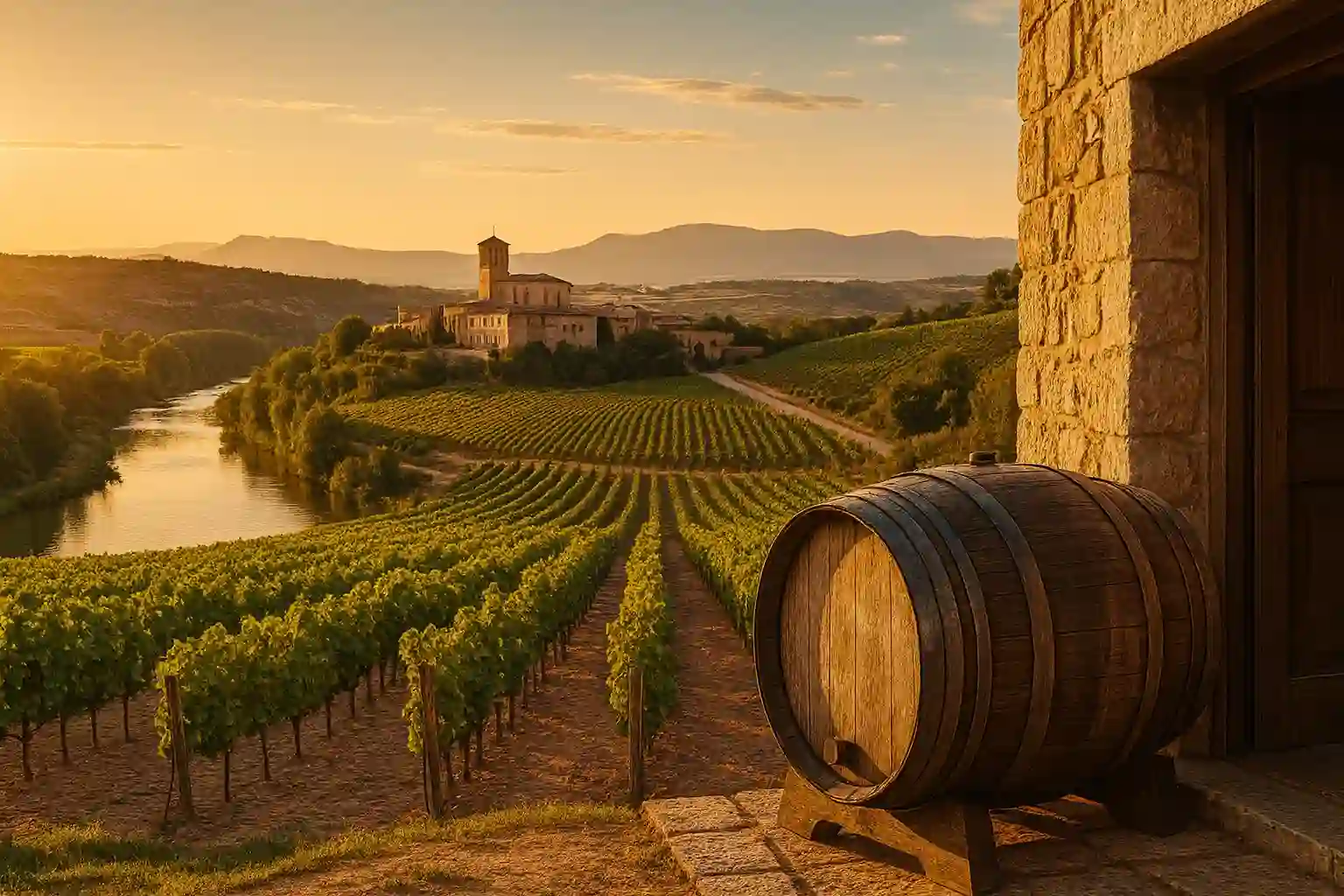
Ribera del Duero is located in Castilla y León, Spain, along the Duero River between Soria in the east and Valladolid in the west. The denominación de origen covers roughly 115 kilometers of river valley across four provinces: Burgos, Segovia, Soria, and Valladolid. The region sits on a high plateau at 750 to 1,000 meters above sea level, approximately 150 kilometers north of Madrid by road.
The Duero River carves a narrow corridor through Spain's northern meseta, and where is Ribera del Duero becomes clear when you trace that waterway east from Portugal. The wine region follows the river's middle course, beginning near the town of San Esteban de Gormaz in Soria province and extending west past Peñafiel and Roa de Duero in Burgos. Valladolid province anchors the western edge, while a few municipalities in Segovia province mark the southern boundary. The denominación de origen encompasses more than one hundred towns and villages, though the most recognized winery clusters sit along the N-122 highway corridor that shadows the river. Elevation defines the region's character as much as longitude. Most vineyards occupy plateau land between 750 and 1,000 meters, making Ribera del Duero one of Europe's highest wine-growing zones. The altitude delivers sharp diurnal temperature swings during the growing season and long, cold winters that shape the region's signature Tempranillo—known locally as Tinto Fino or Tinta del País. The surrounding Castilian plain offers little shelter from Atlantic weather systems or summer heat, so the river valley itself becomes the organizing feature for viticulture. No central town claims the title of regional capital. Aranda de Duero, the largest urban center, serves as the commercial hub and hosts the region's most recognized wine museum. Peñafiel, dominated by its castle and home to several historic bodegas, functions as the symbolic heart. Smaller villages like La Horra, Gumiel de Izán, and Quintanamanvirgo house celebrated estates but offer limited visitor infrastructure. The geographic spread means a Ribera del Duero wine tour from Madrid requires intentional route planning rather than a single-destination approach. Where is Ribera del Duero in relation to other Spanish wine regions clarifies its identity. It sits roughly 200 kilometers east of Toro, 100 kilometers south of the Arlanza valley, and 120 kilometers west of the Rioja Alavesa. The Duero River itself flows west into Portugal, where it becomes the Douro and gives its name to Port country. That shared watershed connects two of the Iberian Peninsula's most distinguished wine landscapes, though soil, climate, and regulation keep their expressions distinct. Ribera del Duero remains a Castilian corridor first, defined by meseta geography and the Tempranillo vine's response to continental extremes.
“The Duero River carves a narrow corridor through Spain's northern meseta, organizing one of Europe's highest wine-growing zones.”
Geographic Location: Where Is Ribera del Duero?
Ribera del Duero is located in the autonomous community of Castilla y León, Spain, stretching along the Duero River valley. The region is primarily accessed by car from Madrid via the A-1 motorway.
A-1 motorway from Madrid toward Aranda de Duero
ALSA bus line from Madrid Estación Sur to Aranda de Duero
Renfe service from Madrid Chamartín to Valladolid, followed by regional transport
When Is the Best Time to Visit Where Is Ribera del Duero?
The most favorable windows to visit Ribera del Duero are during the spring (May–June) or autumn (September–October) to balance manageable crowds with moderate temperatures. Planning your visits within the best arrival window of 09:00–18:00 is essential, as wineries require prior appointments for entry.
May to June
ModerateMild, 15°C to 25°C
Vines are actively growing, offering lush scenery for tours. Appointments remain easier to secure during these months.
September to October
HighCool to moderate, 10°C to 20°C
This period aligns with the grape harvest, which is the most active time for production. Booking well in advance is required due to increased interest.
Weekday Mornings
Low—
Arriving early in the week provides a quieter experience at wineries. Most facilities require scheduled appointments, regardless of the time of day.
Verdict: The best time to visit is during the harvest in late September or the blooming season in May, arriving between 09:00 and 11:00 on weekdays.
Operating Hours for Where Is Ribera del Duero
The Ribera del Duero region is open to visitors throughout the year, though the area itself functions as a geographical designation rather than a single facility. Individual wineries determine their own specific operating schedules.
| Monday | Closed | |
|---|---|---|
| Tuesday | Closed | |
| Wednesday | Closed | |
| Thursday | Closed | |
| Friday | Closed | |
| Saturday | Closed | |
| Sunday | Closed |
Entrance Fees and Costs for Where Is Ribera del Duero
Ribera del Duero is a geographic wine region and does not charge an entrance fee for public access. Individual winery tour and tasting costs are determined independently by each establishment.
While the region is free to enter, visitors should anticipate paying costs set by individual wineries for specific tours or tasting experiences.
Sights Near Where Is Ribera del Duero
The Ribera del Duero region is centered along the Duero River, making historic towns and cultural landmarks natural stops for those mapping a wine-focused itinerary. These sites provide geographic anchors that complement the regional geography.
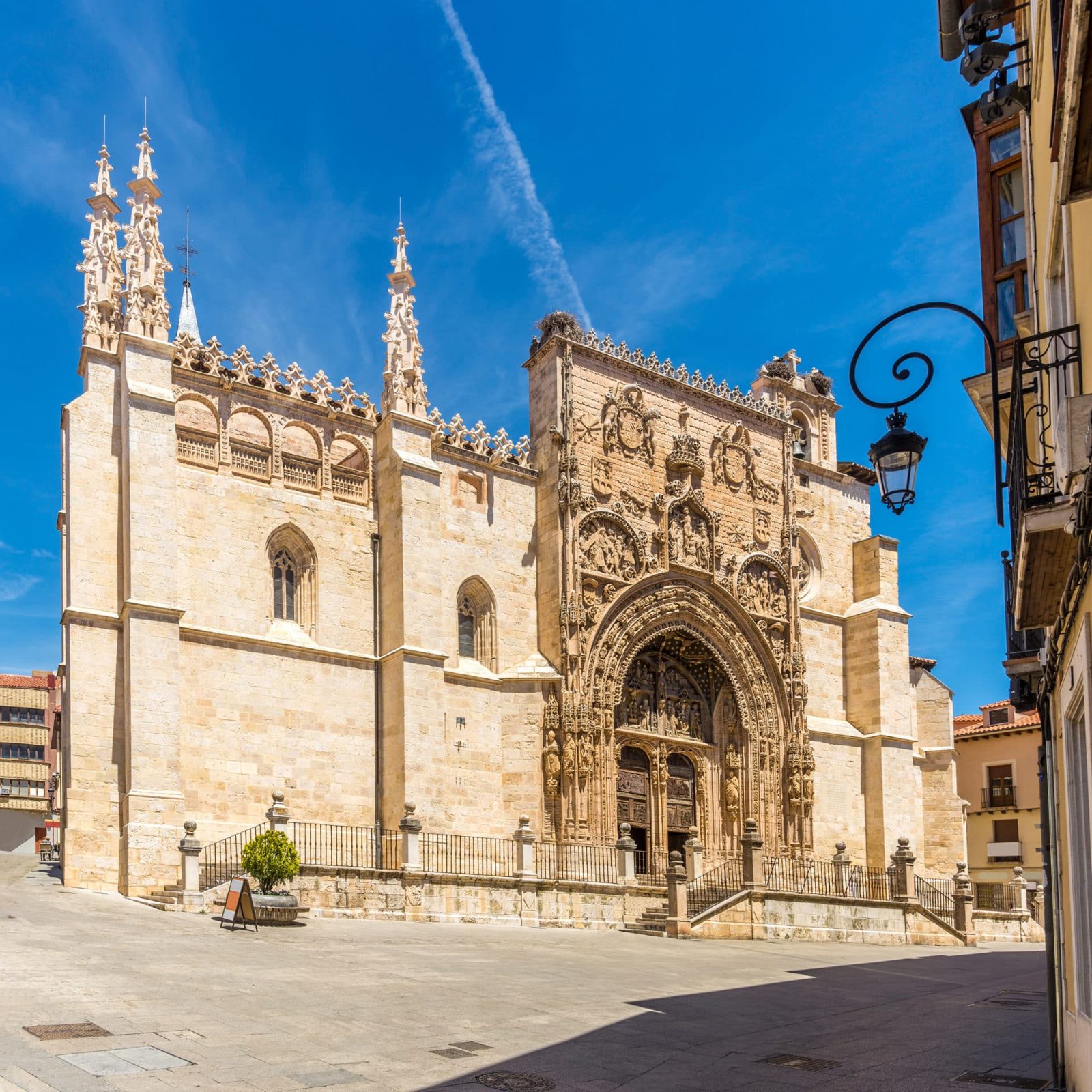
Aranda de Duero
Serving as the capital of the Ribera del Duero wine region, this town offers access to centuries-old underground wine cellars. It serves as a central hub for visitors exploring the wider denomination.
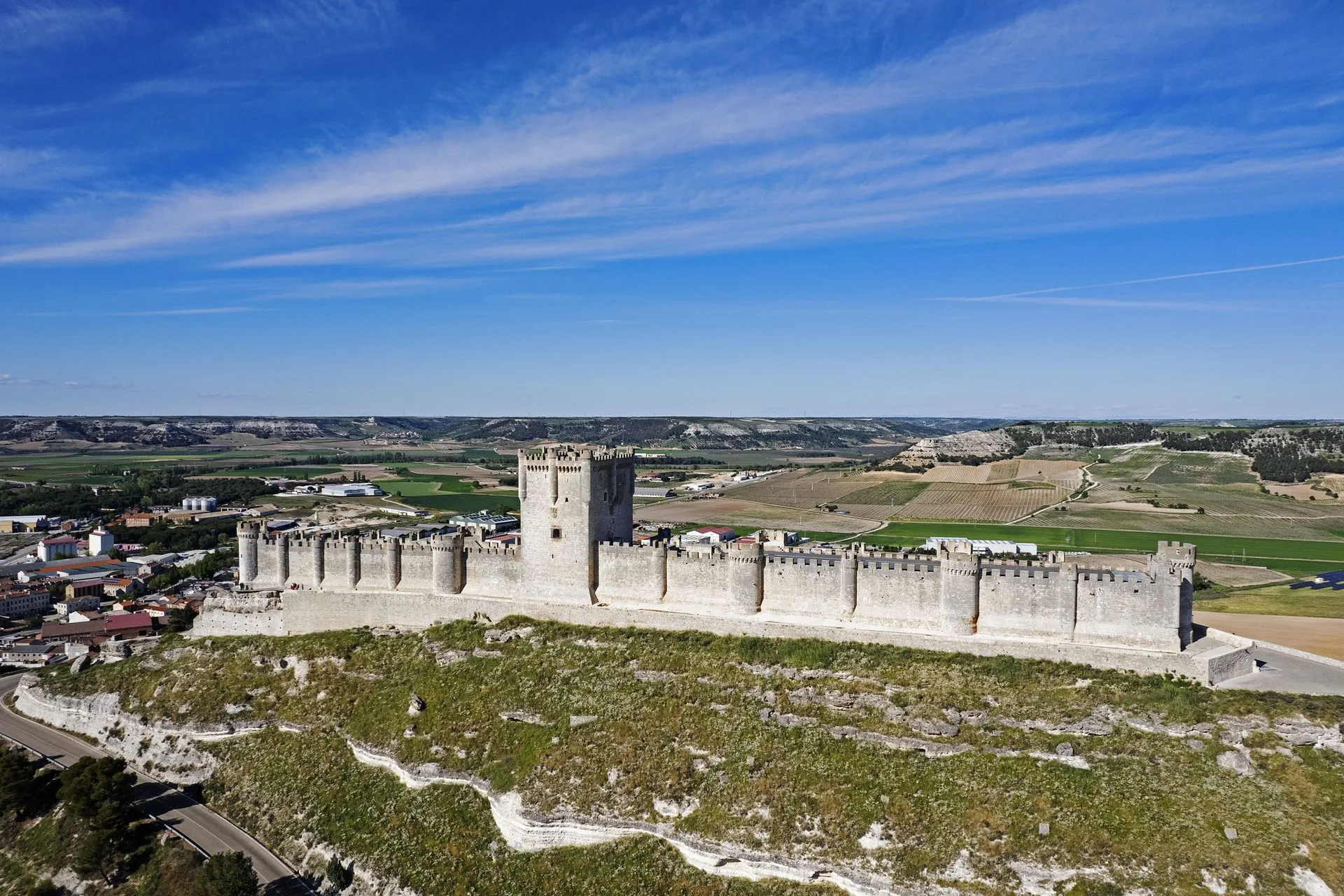
Peñafiel Castle
Perched on a ridge overlooking the valley, this fortress houses the Provincial Wine Museum. Its location provides a clear view of the surrounding vineyards and regional geography.
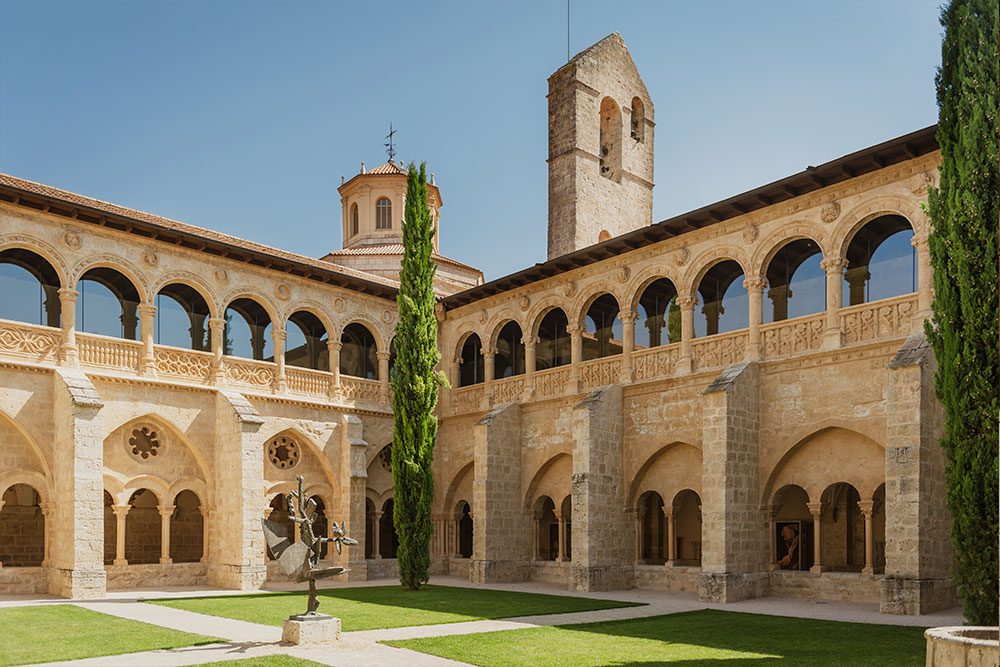
Monasterio de Santa María de Valbuena
This restored Cistercian monastery is located near the heart of the Golden Mile. It offers historical context to the region’s long-standing connection between land and production.
Check availability
Frequently asked questions about where is ribera del duero
Everything you need to know about where is ribera del duero